Breathing is something that we do naturally, without even thinking about it. However, the way we breathe can have a significant impact on our focus, productivity, and overall well-being. In this article, we’ll explore breathing techniques that can help improve your focus and productivity.
Diaphragmatic Breathing
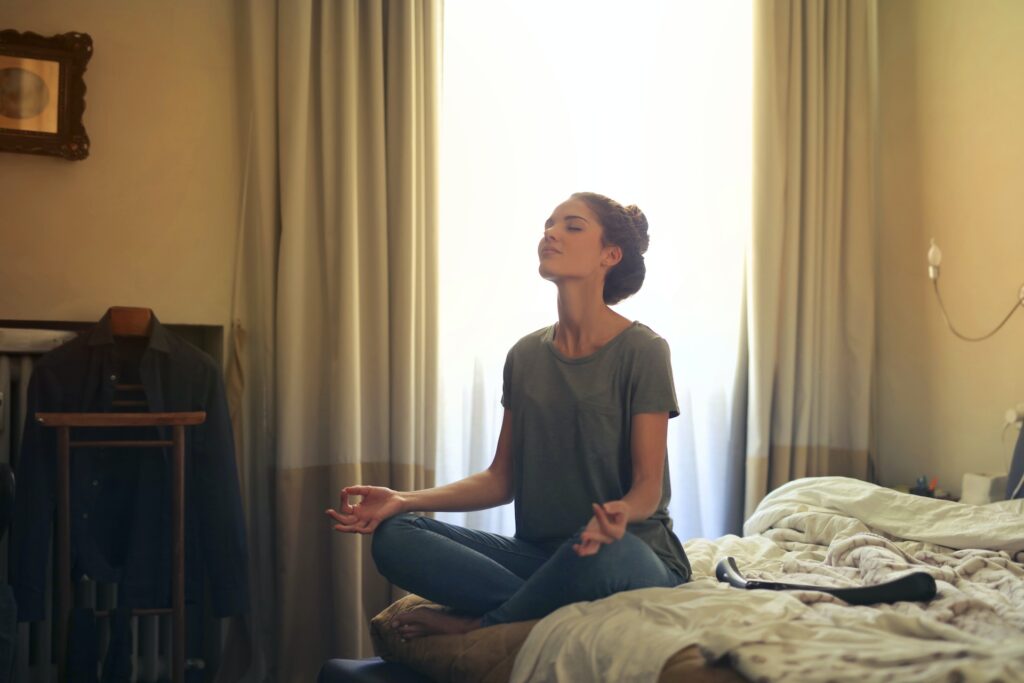
Diaphragmatic breathing, also known as belly breathing, involves breathing deeply from your diaphragm. This technique can help you relax and reduce stress, while also improving oxygen flow to your brain. To practice diaphragmatic breathing, sit in a comfortable position with your hands on your belly. Inhale deeply through your nose, feeling your belly expand as you breathe in. Exhale slowly through your mouth, feeling your belly contract as you breathe out. Repeat for several breaths, allowing yourself to relax and let go of any tension.
Alternate Nostril Breathing
Alternate nostril breathing is a yoga technique that involves breathing through one nostril at a time. This technique can help balance the left and right sides of your brain, while also improving focus and concentration. To practice alternate nostril breathing, sit in a comfortable position with your eyes closed. Using your right hand, close your right nostril with your thumb and inhale deeply through your left nostril. Pause briefly, then close your left nostril with your ring finger and exhale through your right nostril. Inhale through your right nostril, then close it with your thumb and exhale through your left nostril. Repeat for several breaths, focusing on the sensation of the breath moving through your nostrils.
Box Breathing
Box breathing, also known as square breathing, is a technique used by Navy SEALs to improve focus and reduce stress. This technique involves inhaling, holding your breath, exhaling, and holding your breath again, all for equal lengths of time. To practice box breathing, sit in a comfortable position and inhale deeply for a count of four. Hold your breath for a count of four, then exhale for a count of four. Hold your breath again for a count of four, then repeat the cycle for several breaths.
4-7-8 Breathing
4-7-8 breathing is a technique developed by Dr. Andrew Weil to help reduce stress and anxiety. This technique involves inhaling for a count of four, holding your breath for a count of seven, and exhaling for a count of eight. To practice 4-7-8 breathing, sit in a comfortable position and inhale deeply for a count of four. Hold your breath for a count of seven, then exhale slowly for a count of eight. Repeat for several breaths, focusing on the sensation of the breath moving in and out of your body.
Kapalbhati Breathing
Kapalbhati breathing is a yoga technique that involves rapid, forceful exhales followed by passive inhales. This technique can help energize your body and improve focus and concentration. To practice Kapalbhati breathing, sit in a comfortable position and inhale deeply. Exhale forcefully through your nose, pulling your navel towards your spine. Inhale passively, then repeat the cycle for several breaths.
Lion’s Breath
Lion’s breath is a yoga technique that involves exhaling forcefully through your mouth while sticking out your tongue. This technique can help release tension and improve focus and concentration. To practice lion’s breath, sit in a comfortable position and inhale deeply. Exhale forcefully through your mouth, sticking out your tongue and making a “ha” sound. Repeat for several breaths, allowing yourself to release any tension or stress.
Ujjayi Breathing
Ujjayi breathing is a yoga technique that involves constricting the back of your throat to create a slight hissing sound as you breathe. This technique can help calm your mind and improve focus and concentration. To practice Ujjayi breathing, sit in a comfortable position and inhale deeply through your nose. Constrict the back of your throat slightly, creating a hissing sound as you exhale through your nose. Repeat for several breaths, focusing on the sound and sensation of the breath moving in and out of your body.
Progressive Relaxation Breathing
Progressive relaxation breathing involves tensing and relaxing different parts of your body as you breathe. This technique can help release tension and improve focus and concentration. To practice progressive relaxation breathing, sit in a comfortable position and inhale deeply. As you exhale, tense the muscles in your feet and toes. Inhale and relax your feet and toes. Exhale and tense the muscles in your legs. Inhale and relax your legs. Continue this pattern, moving up your body and tensing and relaxing different muscle groups with each exhale.
By incorporating these breathing techniques into your daily routine, you can improve your focus and productivity. Take a few minutes each day to practice these techniques, and notice how they help you stay focused and energized throughout the day.
Remember, breathing is a powerful tool that can help you reduce stress and anxiety, improve your mental clarity, and boost your overall well-being. By making mindfulness and breathing a part of your daily routine, you can improve your focus and productivity, and achieve your goals with greater ease and efficiency.
